
There are about 5,000 doctors in Bali. Knowing which 96 to trust is the whole job.
Padma Care is a membership service for expat families and individuals who live long term in Bali. We match the right doctor to your needs from our curated list of specialists, negotiate pricing on your behalf and track the care every step of the way. You have one advisor who already knows your history. Inside the hospital, our advocacy team takes over.
IDR 350,000 a month for the household. No lock-in, no notice period, and no commission from anybody, which is the reason we can argue with a hospital about your bill.
Most questions don't need a meeting. If you'd rather talk it through properly, book half an hour.

Everyday healthcare, and the day it stops being everyday
These are two genuinely different situations and we treat them as such. Almost everything is the first one. The second is rare, and it is the reason people are glad they joined.
A rash, a fever, a back that won't settle, a specialist you've been putting off
Message your advisor. They know your household, they know who is good at what, and they book it, at the rate we've negotiated rather than the one your passport usually attracts.
What membership includes →An admission, a decision nobody has explained, a bill nobody can read
A case manager, who is a doctor, reads the record, explains what is happening, sets out the options and checks every charge. Members skip the onboarding fee and any minimum stay, and more importantly we already know the patient.
How advocacy works →Why everyday healthcare and a hospital admission are two different jobs, and how the same team covers both.
One membership. Here is exactly what it is.
There are no tiers and nothing to configure. IDR 350,000 per month covers the household. Individual services are charged separately, and every one of them is published.
Your own health advisor
The same person every time, on WhatsApp, 8am to 8pm, seven days. They keep your household's history so you never start from the beginning again.
96 vetted specialists
Matched to your situation by doctors, not by a directory. We tell you why we picked the one we picked.
Local pricing
Our negotiated rates at partner hospitals, passed through untouched, with bills checked line by line before you pay them.
A Day 0 plan
Where your household goes in an emergency, who to call, and what to say, written down before anybody needs it.
| Service | What it is | Price |
|---|---|---|
| Membership | Per household. Pick your start date, cancel any time. | IDR 350,000 per month |
| Basic appointment | Specialist recommendation and booking. | IDR 100,000 |
| Managed visit | Full coordination, a nurse with you, and a written English medical report afterwards. | IDR 800,000 |
| Second opinion | Coordinated consult with an English report. | IDR 250,000 |
| Hospital advocacy | Daily coordination while admitted. Onboarding fee and minimum stay waived for members. | IDR 250,000 per day |
| Hospital and doctor fees | Charged at our negotiated rate. We add nothing and take no commission from anyone. | AT COST |
An extract of the fuller rate card. Every service we offer is priced, publicly. No email required and no "contact us for a quote". And rather than describe the managed visit, we show you exactly what it produces.
Our income doesn't move when your bill does
We charge one flat monthly fee. We take no referral commission from hospitals, clinics or specialists. Anything we arrange through a partner is passed through to you at the price we pay for it.
That structure is not a nice detail. It is the whole basis on which we can question a recommendation, decline a test, or spend an afternoon disputing a charge. A service paid by the procedure cannot do any of those things, however much it wants to.
It is also why we will tell you when the right answer is a hospital we have no agreement with, or a country that isn't this one.
Alex explains the fee structure and what it rules out. Ninety seconds, and it is the part of the conversation people remember.
What "vetted" actually means
Every service in Bali says it works with the best doctors. Here is the part they don't publish: what we look at, and what happens when a specialist stops meeting it.
What we don't do, and why
Every service has edges. Ours are deliberate, and we would rather you knew the reasoning now than found the edge later.
You have no particular reason to trust us, yet
Bali is full of healthcare services that promise more than they deliver, and a few that are worse than that. Anyone selling health services starts with negative credibility, us included. Saying otherwise would be the first sign we were one of them.
So rather than ask you to take our word for it, here is everything you'd need to check us properly: the clinics you can walk into, the group we belong to and how long it has been here, our case managers and their credentials, real reports we have written, and every price we charge.
Check us out →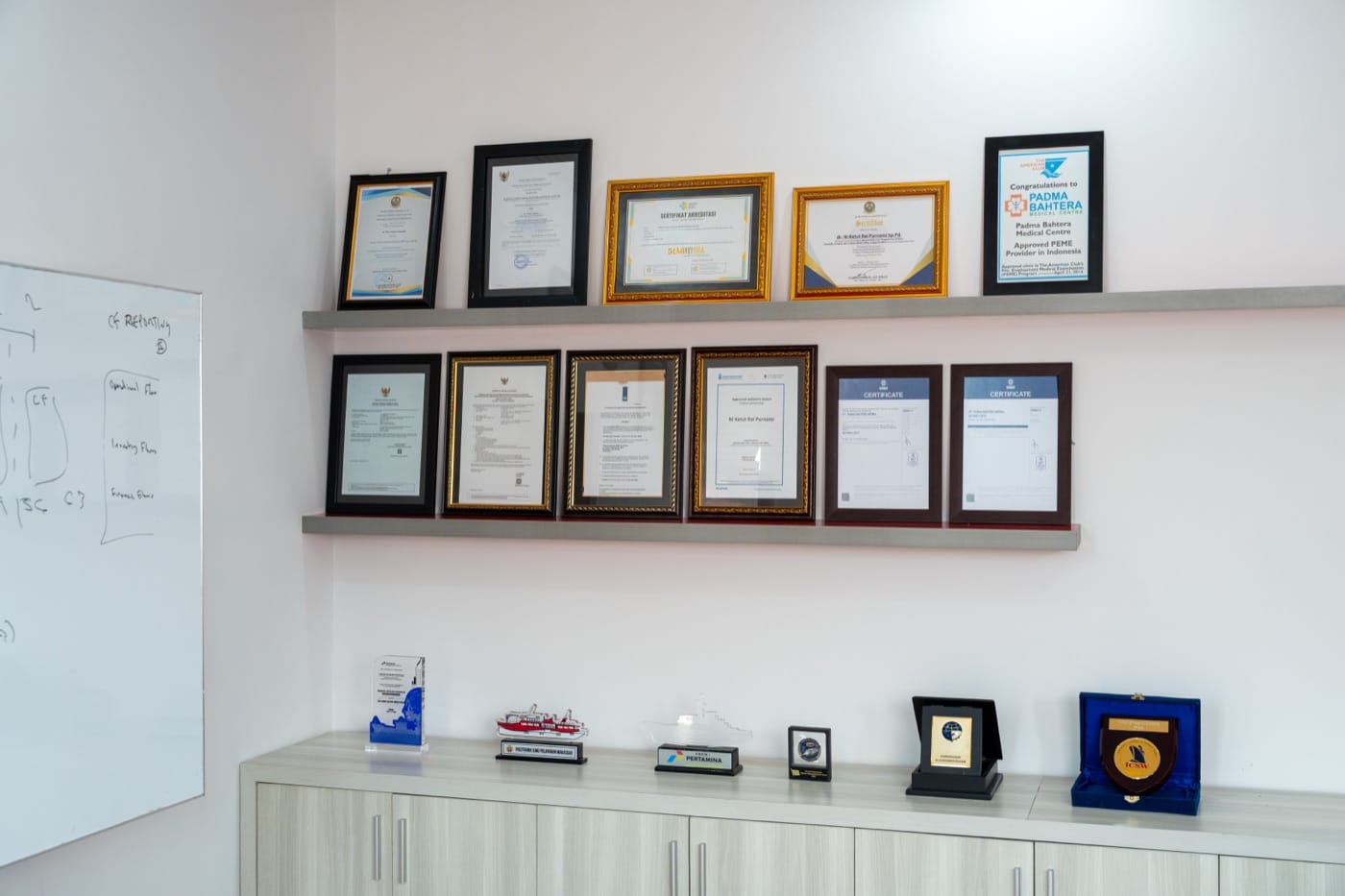
If you are looking for high quality medical care you can do it yourself, but it will involve a great deal of research, and you still may not get the result you were hoping for.
What we've been writing
All articles →Ten minutes, then it's off your list
Sign up online, pick any start date you like, and your advisor introduces themselves on WhatsApp within 24 hours. We build your household's medical profile and emergency plan from there, at your pace, not in one sitting.
IDR 350,000 per month for the household. No lock-in and no notice period. If it isn't useful, stop.
